Research
Teaching a model to read two brain-tumour MRI scans months apart and say whether the tumour grew — RECAP-Net, ranked 3rd worldwide in a 2025 international challenge and presented at MICCAI, the main conference for AI in medical imaging.
Machine-learning researcher · medical brain imaging · New Delhi
I'm an undergraduate researcher (NSUT and IIT Madras) who builds machine-learning models that read brain MRI scans — my MICCAI 2025 paper placed 3rd worldwide in an international brain-tumour challenge — and I build and ship the software around the research.
The problem
A brain-tumour patient is scanned every few months. The question that matters — did the tumour grow, shrink, or hold? — needs two scans compared, and that comparison is slow and subjective by eye.
The work
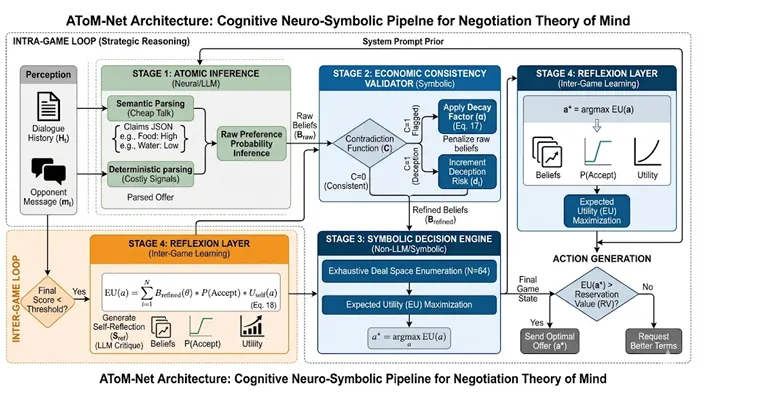
My model takes two MRI scans of the same patient, months apart, outlines the tumour in each, and classifies the change — progressing, stable, or responding — the way radiologists do under RANO, the standard rulebook for judging treatment response.
The result
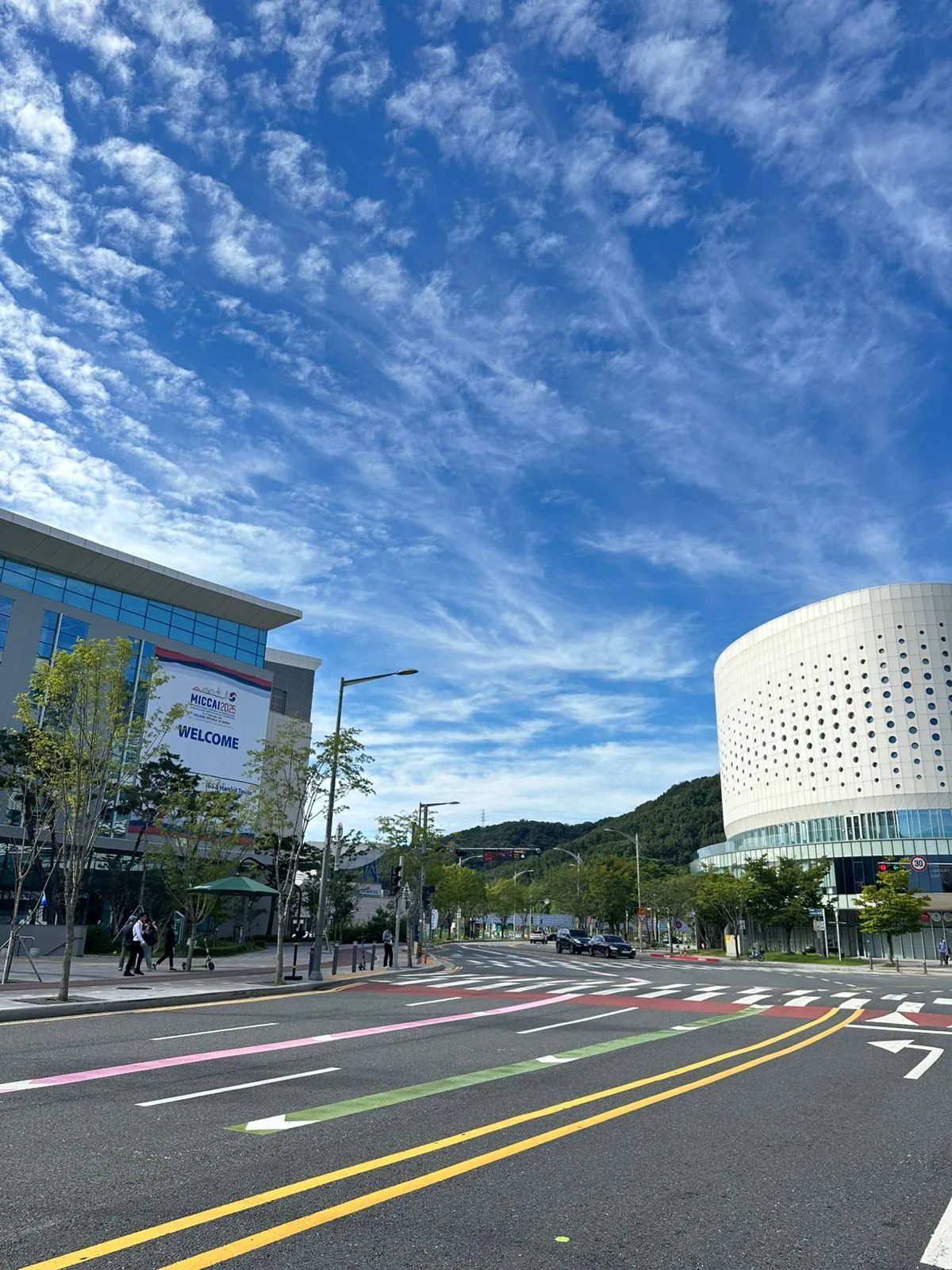
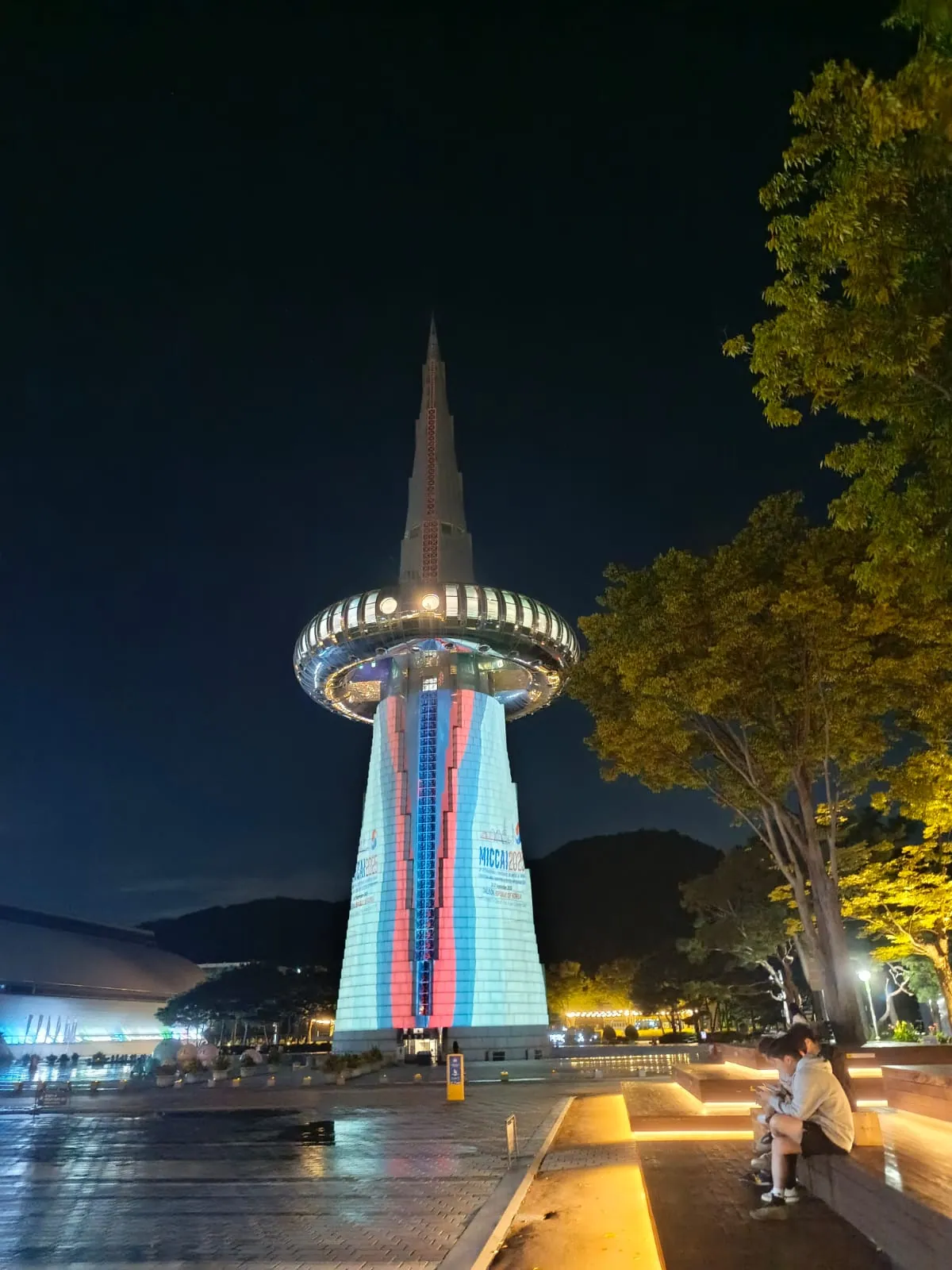
3rd of all teams worldwide in the BraTS Lighthouse 2025 Tumor Progression Challenge — an international competition where every team's model is scored on the same hidden MRI data. Presented as an oral talk at MICCAI 2025 in South Korea (the main medical-imaging AI conference) and published in Springer LNCS.
A paper is a piece of maths that other people will build on without re-deriving it — every product that uses it borrows it on trust. That's why I take research seriously. And it's why I ship what I build: because an idea only becomes real when it survives being used.
Three threads
Research that gets peer-reviewed, engineering that gets deployed, and open source that other labs actually run. The same person does all three, and each one makes the others better.
Teaching a model to read two brain-tumour MRI scans months apart and say whether the tumour grew — RECAP-Net, ranked 3rd worldwide in a 2025 international challenge and presented at MICCAI, the main conference for AI in medical imaging.
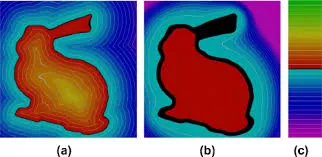
An internal assistant that helped up to 35,000 employees at a healthcare company find the approved way to use AI for their role; and PyAMorph, a library at IIT Madras that turns images and CAD models into geometry a physics simulation can run on.
Fifteen-plus merged pull requests to BrainGlobe, the open-source toolkit neuroscience labs use to map whole-brain microscopy images; a leading contributor to its image-alignment tool.
Experience
Jun – Aug 2026
AI Engineer Intern — AI-DLC Pilot Team
Jan 2026 – present
Research Intern — Scientific Computing (remote)
Jul – Aug 2026
Amazon ML Summer School
Selected projects
All projectsLooking for software-engineering and research internships in 2026–27. If you work on medical imaging, scientific computing, or AI systems that have to be right, I'd like to hear from you.